Introduction
Obtaining a Complying Development Certificate (CDC) in New South Wales is one of the fastest ways to obtain building approval for certain types of developments. However, many projects require detailed fire safety documentation to demonstrate compliance with the National Construction Code (NCC) and relevant Australian Standards.
For many builders, architects, and developers in Sydney, the fire compliance requirements associated with CDC projects can be complex. Fire systems such as sprinklers, hydrants, smoke detection, emergency lighting, and exit signage must be properly designed and documented before construction can proceed.
This guide explains the fire safety requirements for CDC projects in NSW, the documentation typically required by certifiers, and how professional fire engineers and designers assist in preparing compliant fire services drawings and reports.
What Is a CDC in NSW?
A Complying Development Certificate (CDC) is a fast-tracked approval pathway for certain types of development in New South Wales. It combines planning and construction approval into a single process, allowing building work to commence much faster than traditional Development Application (DA) approvals.
CDC approvals are commonly used for:
- Boarding houses
- Commercial fit-outs
- Small apartment buildings
- Industrial buildings
- Retail developments
- Residential alterations and additions
Although the CDC pathway simplifies planning approvals, buildings must still comply fully with the National Construction Code and Australian Standards, including fire safety requirements.
Why Fire Safety Design Is Critical for CDC Projects
Fire safety design ensures that buildings provide adequate protection for occupants during a fire emergency. For CDC developments, certifiers must confirm that fire systems are properly designed before issuing approval.
Fire safety design for CDC projects typically involves:
- Determining required fire systems
- Preparing fire services design drawings
- Demonstrating compliance with Australian Standards
- Coordinating with architects and hydraulic engineers
- Providing fire design certification where required
Without proper fire documentation, a CDC application may be delayed or rejected by the certifier.
Fire Safety Documents Required for CDC Projects
Different projects require different levels of fire documentation. However, most CDC developments require at least one or more of the following documents.
Fire Services Design Drawings
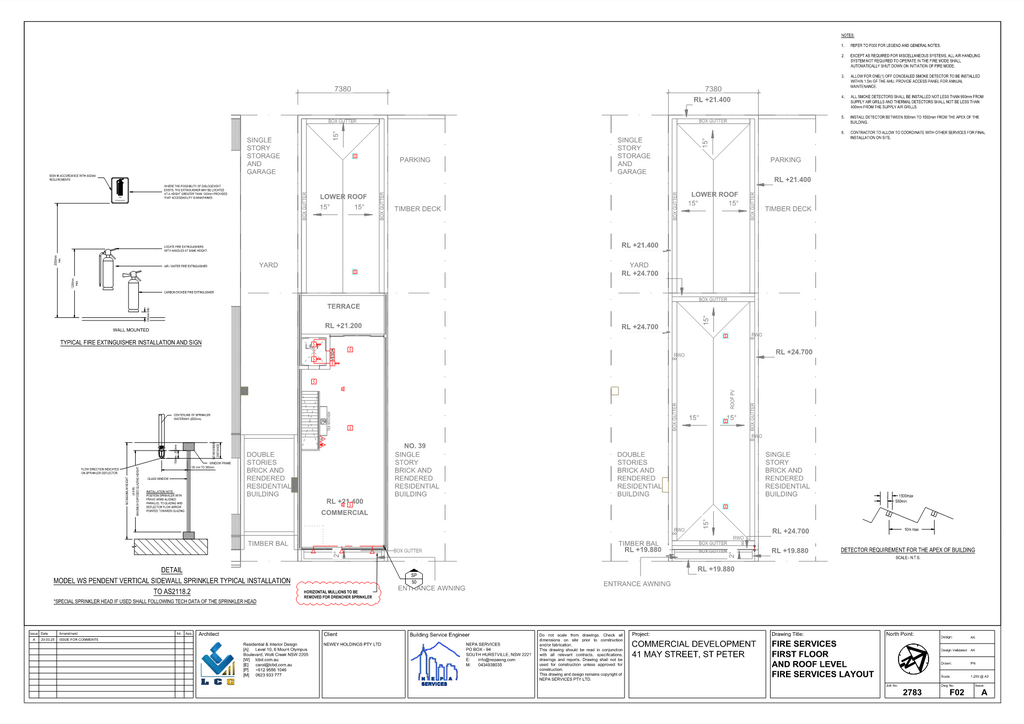
Fire services drawings illustrate how fire systems will be installed in a building. These drawings are typically required for certifier review and contractor installation.
Typical fire drawings include:
- Fire sprinkler layout drawings
- Fire hydrant system drawings
- Fire hose reel layouts
- Fire alarm system drawings
- Emergency lighting and exit signage plans
- Fire block plans
These drawings help demonstrate that the fire protection systems meet regulatory requirements.
Fire Safety Schedule
A Fire Safety Schedule is a document that lists all essential fire safety measures required in a building and the standard each system must meet.
Typical essential fire safety measures include:
- Automatic fire sprinkler systems
- Fire hydrant systems
- Smoke detection systems
- Fire alarm panels
- Emergency lighting
- Exit signage
- Fire doors
- Fire dampers
- Smoke exhaust systems
Once construction is complete, the building owner must maintain these systems and submit an Annual Fire Safety Statement confirming compliance.
Fire Engineering Reports
In some CDC projects, a fire engineering report may be required where the design includes performance solutions rather than strictly following prescriptive requirements.
Performance solutions may be used where:
- The building design does not fully comply with NCC Deemed-to-Satisfy provisions
- Alternative fire protection strategies are proposed
- Complex building layouts require additional fire analysis
Fire engineering reports assess fire risk and demonstrate that the proposed design achieves the required safety performance.
Fire Systems Commonly Required in CDC Projects
Depending on the building type, CDC projects may require several fire protection systems.
Fire Sprinkler Systems
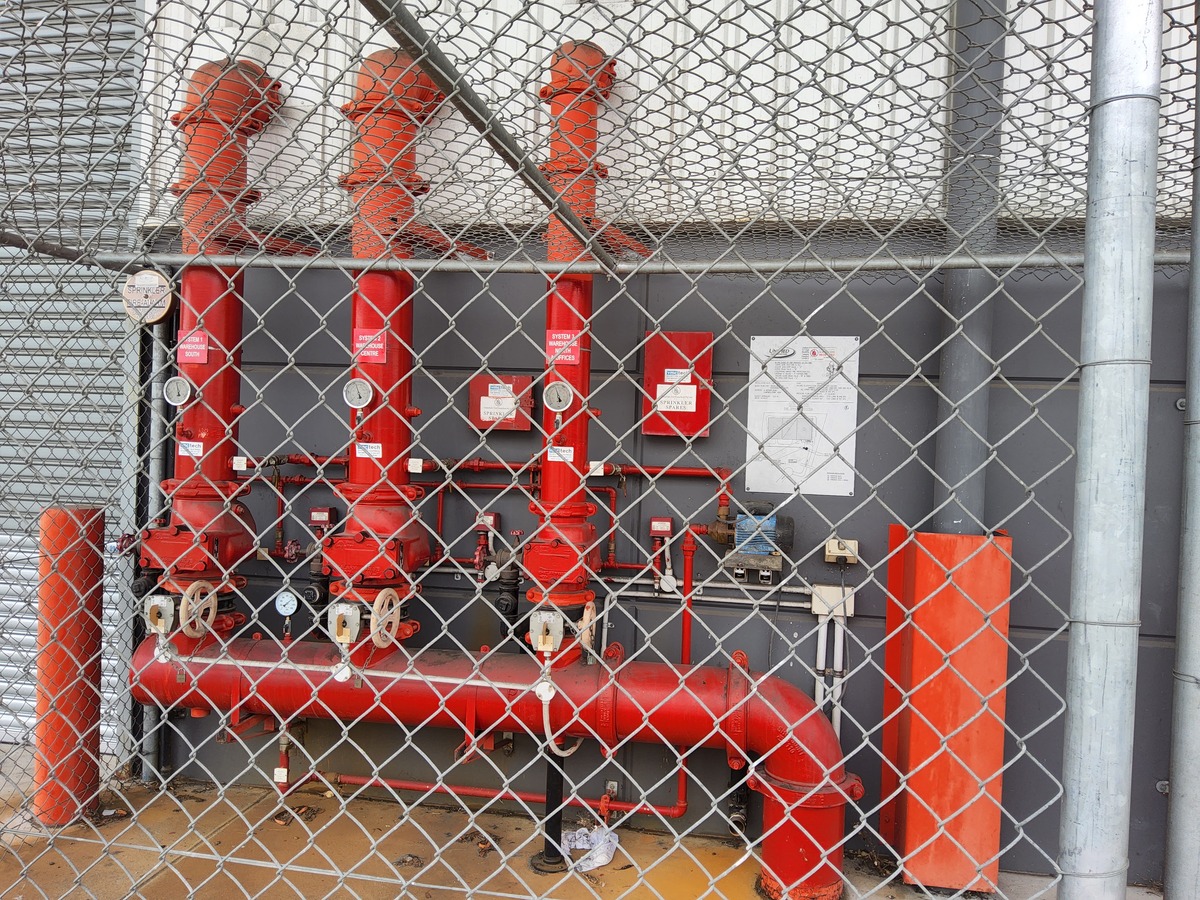
Fire sprinkler systems are often required in larger buildings, boarding houses, and certain residential or commercial developments.
Sprinkler systems are designed to automatically detect and control fires by releasing water when a sprinkler head activates. These systems are designed according to Australian Standard AS 2118.
Proper sprinkler design requires hydraulic calculations, pipe layouts, and compliance with system pressure and flow requirements.
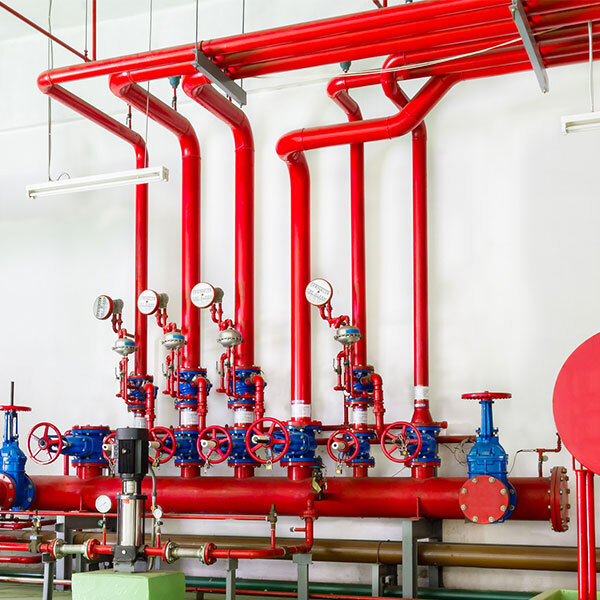
Fire Hydrant Systems
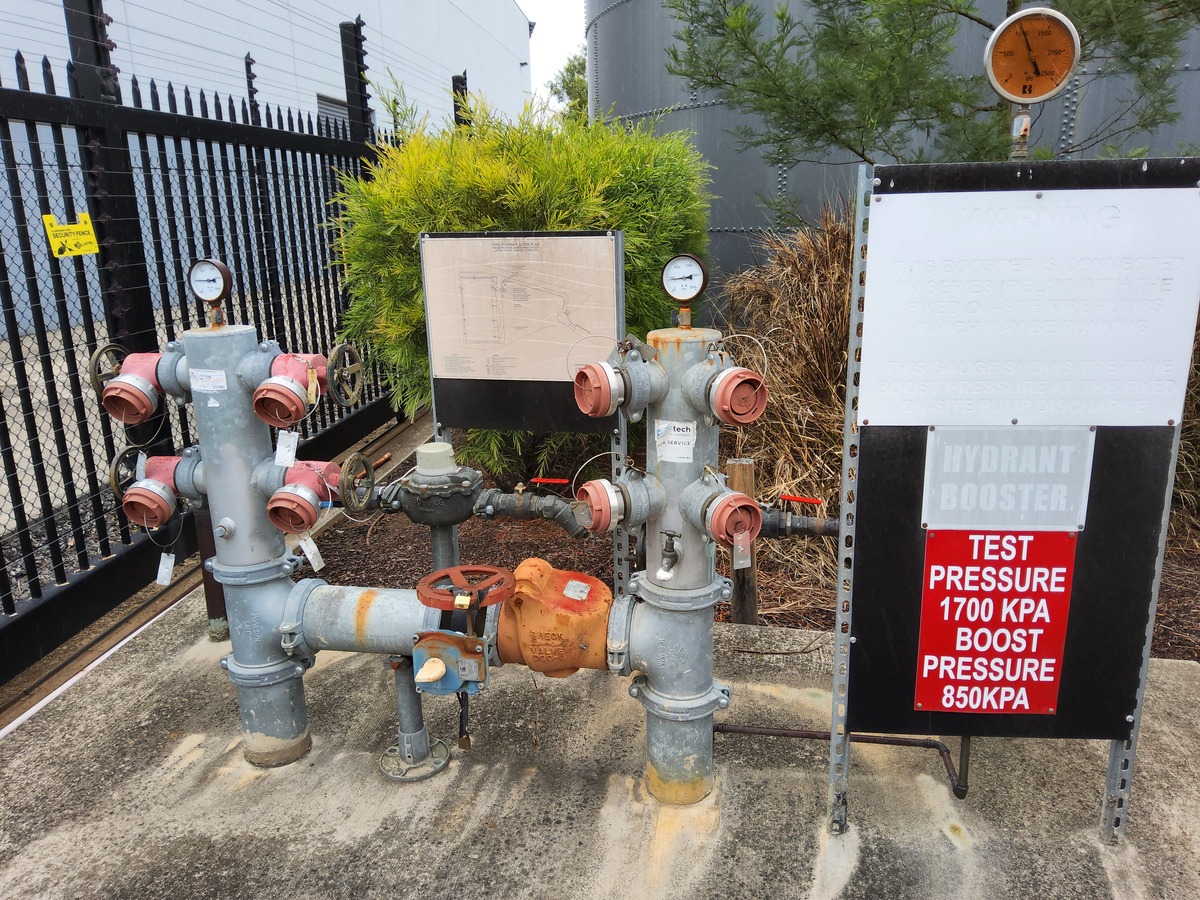
Fire hydrant systems provide firefighters with access to water during firefighting operations.
Hydrant systems typically include:
- External fire hydrant boosters
- Internal hydrant valves
- Fire brigade connections
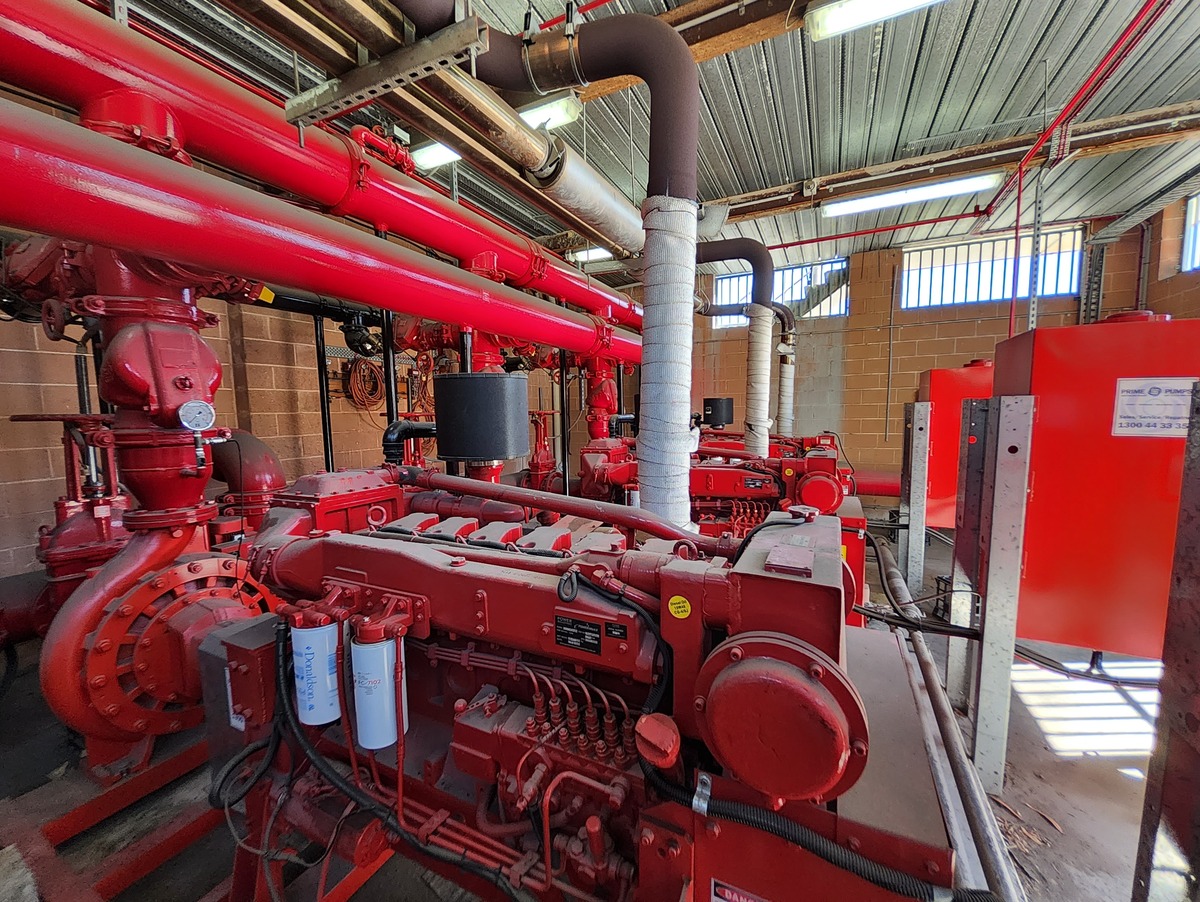
- Dedicated fire pumps (in some buildings)
These systems must be designed to ensure adequate water flow and pressure for firefighting operations.
Fire Detection and Alarm Systems
Fire detection systems alert occupants and emergency services when a fire is detected.
These systems often include:
- Smoke detectors
- Heat detectors
- Fire indicator panels
- Occupant warning systems
Detection systems are particularly important in buildings with sleeping occupants, such as boarding houses or accommodation buildings.
Emergency Lighting and Exit Signage
Emergency lighting and exit signage assist occupants in safely evacuating a building during a fire emergency.
Emergency lighting ensures that exit paths remain visible during power failures, while exit signs clearly indicate evacuation routes.
These systems are essential components of most commercial and multi-residential developments.
Fire Compliance Challenges in CDC Projects
Although CDC approvals are intended to simplify the approval process, many projects still encounter fire compliance challenges.
Common issues include:
- Incorrect fire system design
- Missing fire documentation
- Non-compliant exit travel distances
- Incorrect hydrant coverage
- Inadequate sprinkler protection
- Conflicts between architectural layouts and fire safety requirements
Addressing these issues early in the design process can significantly reduce delays during approval and construction.
Role of Accredited Fire Practitioners in NSW
In New South Wales, many fire safety documents must be prepared or certified by qualified professionals.
Fire practitioners involved in CDC projects may include:
- Fire engineers
- Accredited fire safety practitioners
- Hydraulic engineers
- Fire system designers
These professionals ensure that fire safety systems comply with regulatory requirements and can provide design certification where required.
Benefits of Professional Fire Safety Design
Engaging experienced fire engineers and designers early in a project offers several advantages.
Faster Approvals: Well-prepared fire documentation reduces delays in CDC approval and helps certifiers review the project more efficiently.
Reduced Construction Changes: Proper fire design coordination minimizes costly construction changes later in the project and complete project on time.
Compliance with Australian Standards: Professional fire designers ensure systems comply with relevant standards, reducing the risk of compliance issues.
Improved Safety: Properly designed fire systems significantly improve occupant safety during emergencies.
Fire Safety Design for Common CDC Building Types
Different types of buildings have different fire safety requirements.
Boarding Houses
Boarding houses often require:
- Fire sprinkler systems
- Smoke detection systems
- Fire hydrants
- Emergency lighting and exit signage
These systems provide enhanced protection due to sleeping occupants.
Commercial Fit-Outs
Retail shops, offices, and restaurants may require:
- Smoke detection systems
- Emergency lighting
- Exit signage
- Fire hose reels
These systems ensure safe evacuation for occupants and visitors.
Industrial Buildings
Industrial developments may require:
- Fire hydrant systems
- Sprinkler systems (depending on fire load)
- Smoke detection systems
- Fire compartmentation
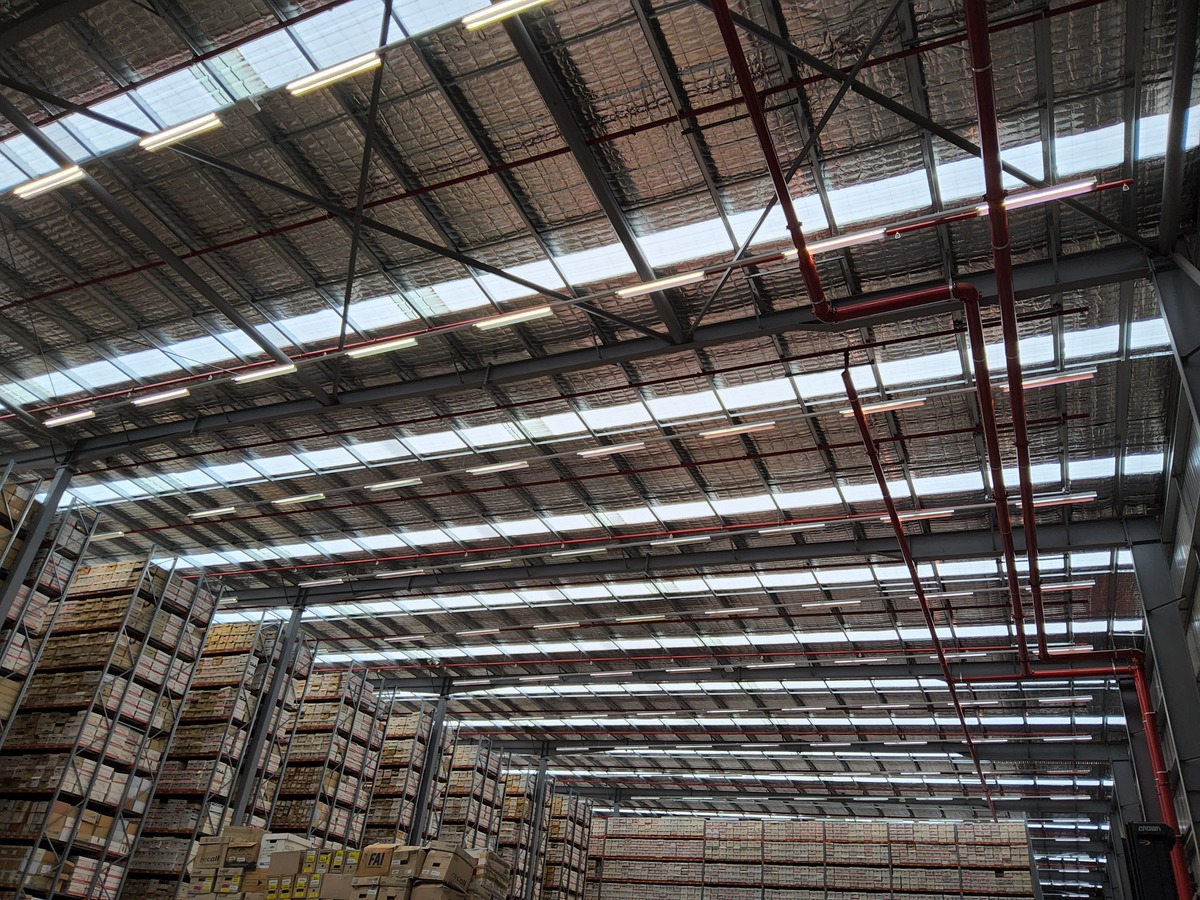
Fire design must consider storage hazards and operational risks.
Choosing the Right Fire Safety Consultant in Sydney
When selecting a fire consultant for a CDC project, it is important to consider experience and qualifications.
Key factors to consider include:
- Experience with CDC projects in NSW
- Knowledge of the National Construction Code
- Familiarity with Australian Standards
- Ability to coordinate with architects and engineers
- Professional certifications and accreditations
Working with experienced professionals helps ensure that fire documentation is accurate and compliant.
Fire Safety Design Services in Sydney
Professional fire consultants provide a range of services for CDC projects, including:
- Fire safety reports
- Fire services design drawings
- Fire block plans
- Fire safety schedules
- Coordination with certifiers
- Compliance reviews
- Fire system layout drawings
These services assist builders and developers in meeting fire safety requirements while maintaining efficient project timelines.
Conclusion
Fire safety design is a critical component of obtaining a Complying Development Certificate in New South Wales. Proper documentation ensures that buildings comply with the National Construction Code and relevant Australian Standards while providing essential protection for occupants.
For builders, architects, and developers working on CDC projects in Sydney, engaging experienced fire professionals early in the design process can significantly simplify approvals and reduce project risks.
Well-prepared fire services drawings, fire safety schedules, and engineering reports ensure that buildings meet regulatory requirements and maintain the highest levels of safety.