






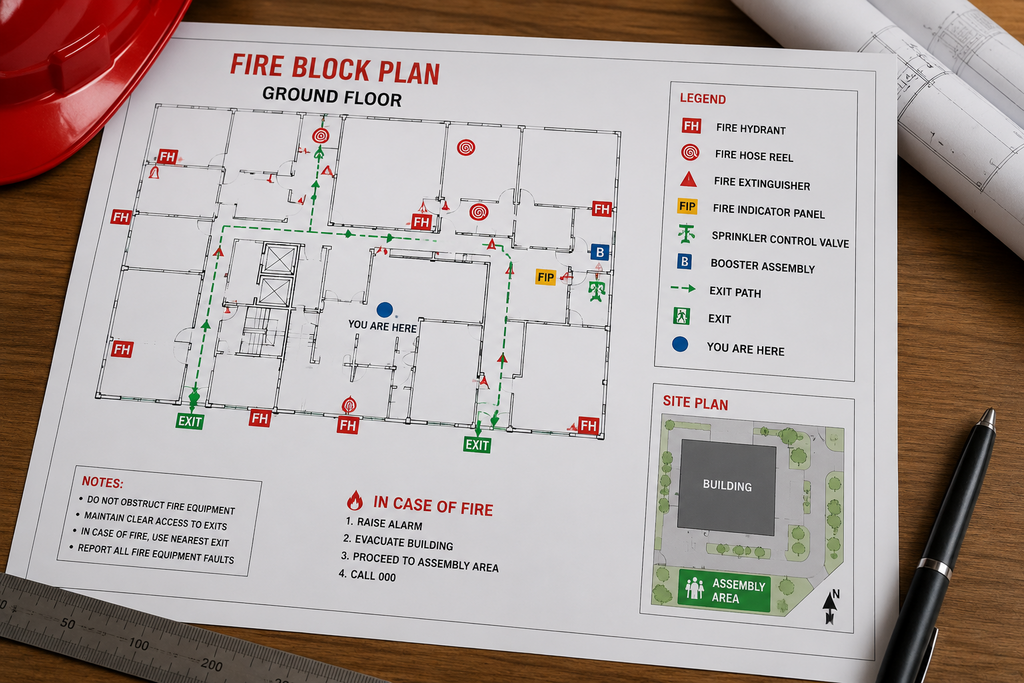
Fire CDC design drawings are the engineered fire safety drawings required when lodging a Complying Development Certificate (CDC) for commercial or fit‑out works in NSW. They demonstrate that the proposed works comply with the Building Code of Australia (BCA) and all relevant fire safety regulations. These drawings are reviewed by private certifiers as part of the CDC approval process.
🔥 What Fire CDC Design Drawings Are
Fire CDC drawings are a complete set of fire protection design documents prepared by an accredited fire services designer. They show the location, specification, and performance requirements of all essential fire safety measures within the building. These drawings ensure the design meets regulatory compliance and is acceptable for CDC approval.
🧩 What They Typically Include
Each drawing package varies by project scope, but generally covers:
• Fire detection & alarm systems — smoke detectors, heat detectors, MCPs, FIP location, EWIS speakers, cabling routes.
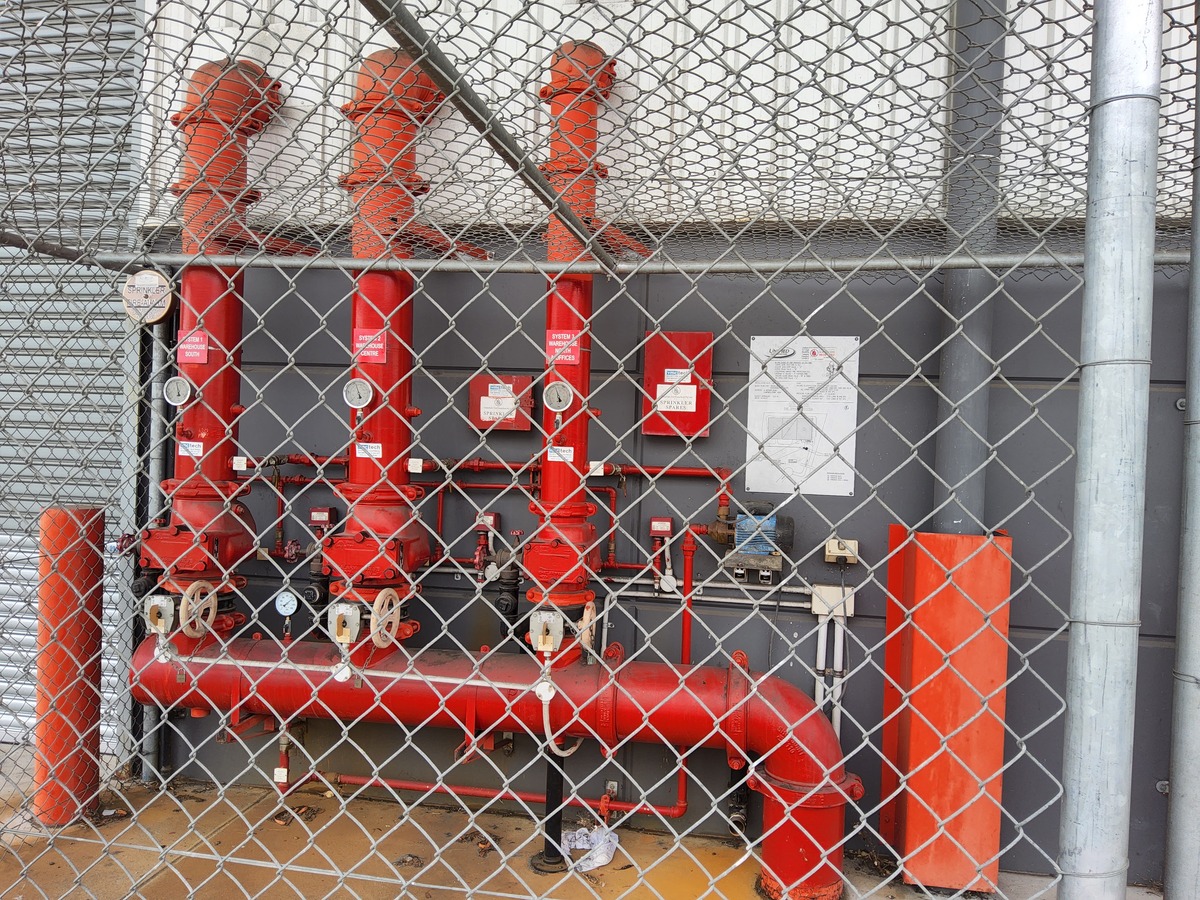
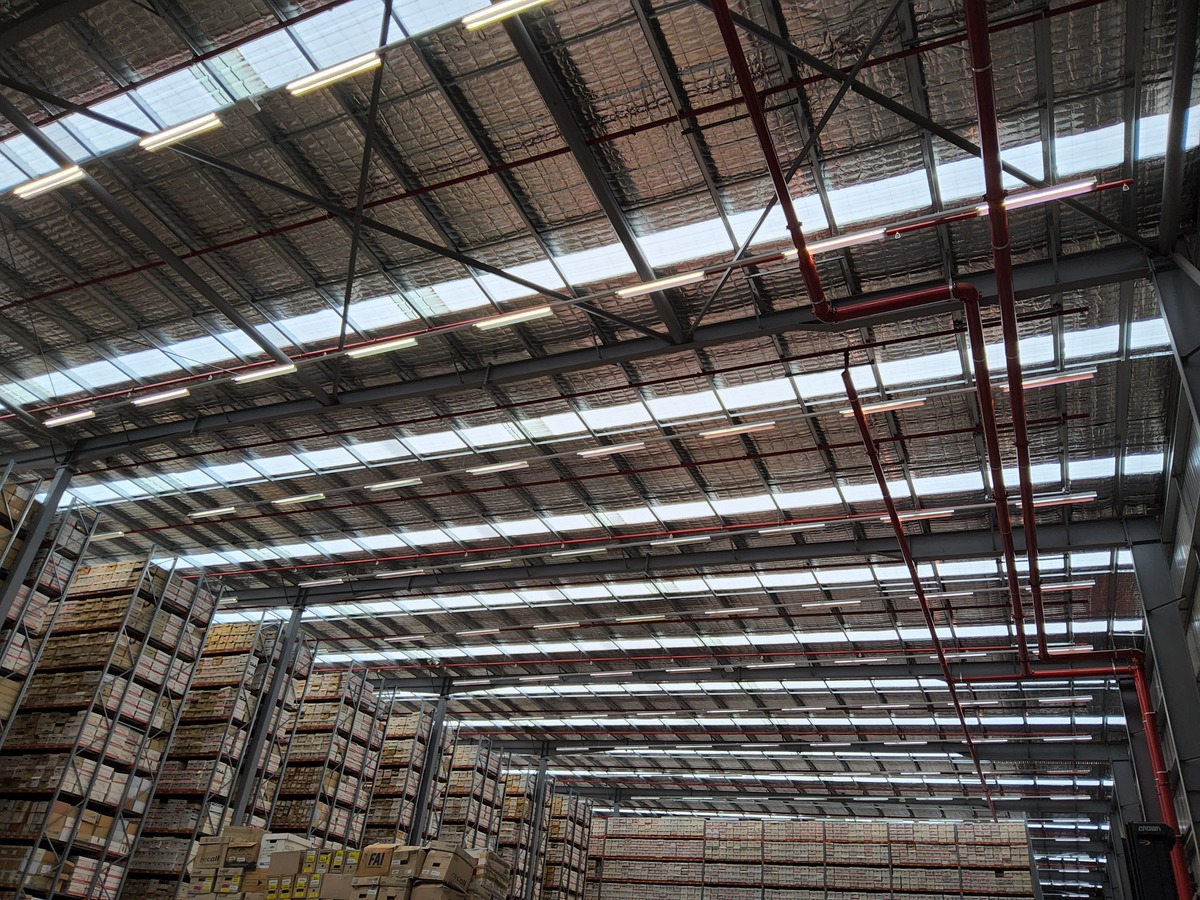
• Fire sprinkler systems — sprinkler head layout, zoning, pipe sizing, valve sets, hydraulic calculations.
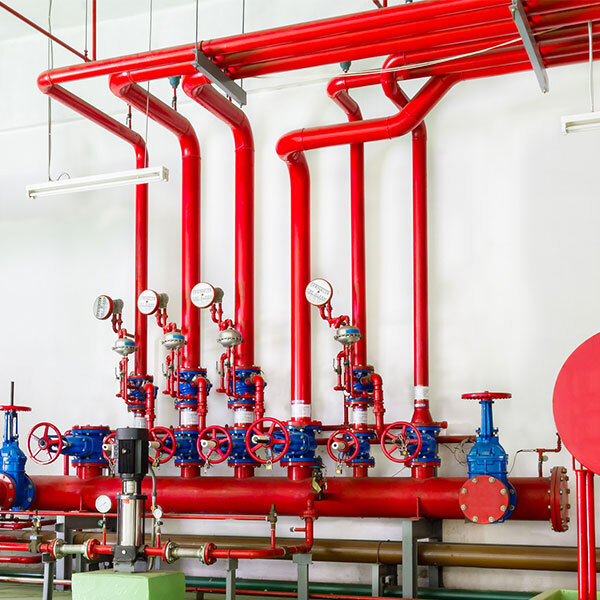
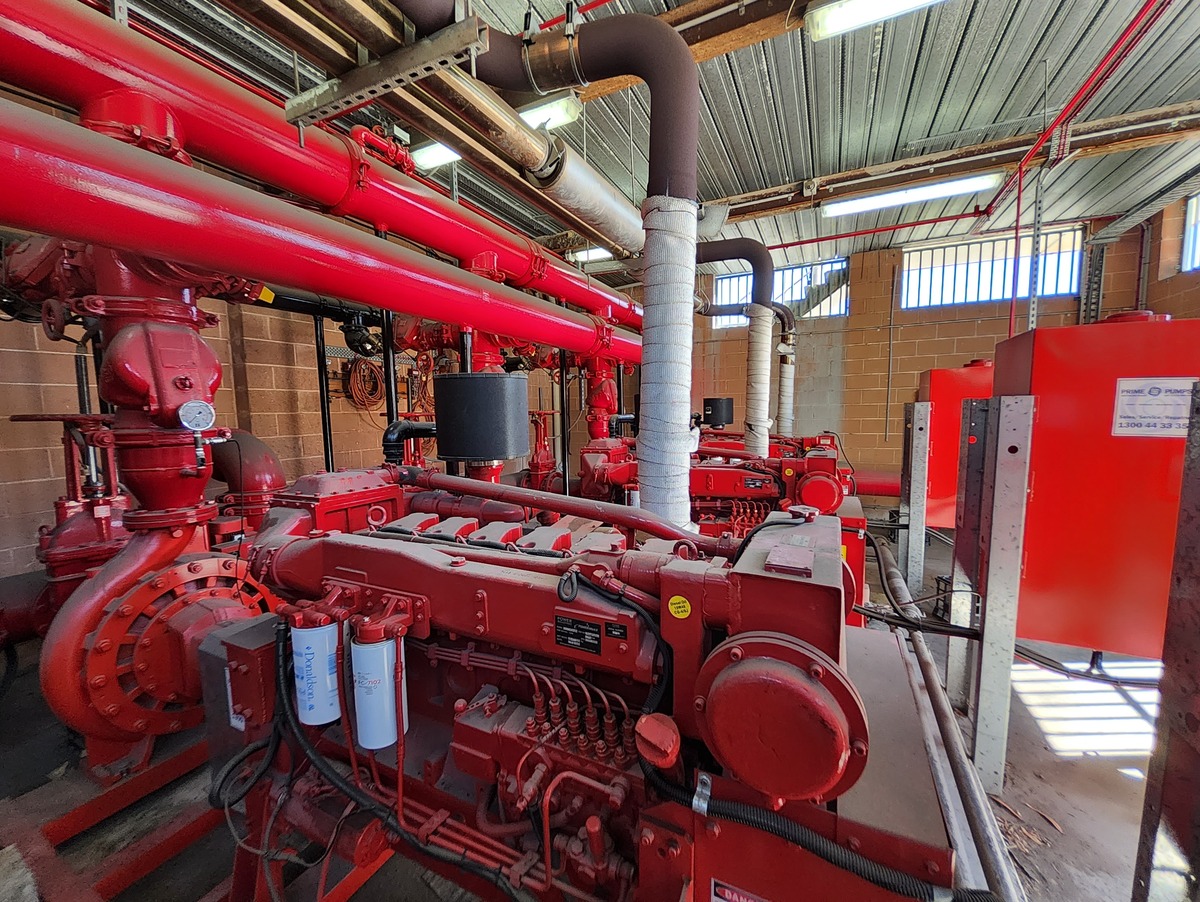
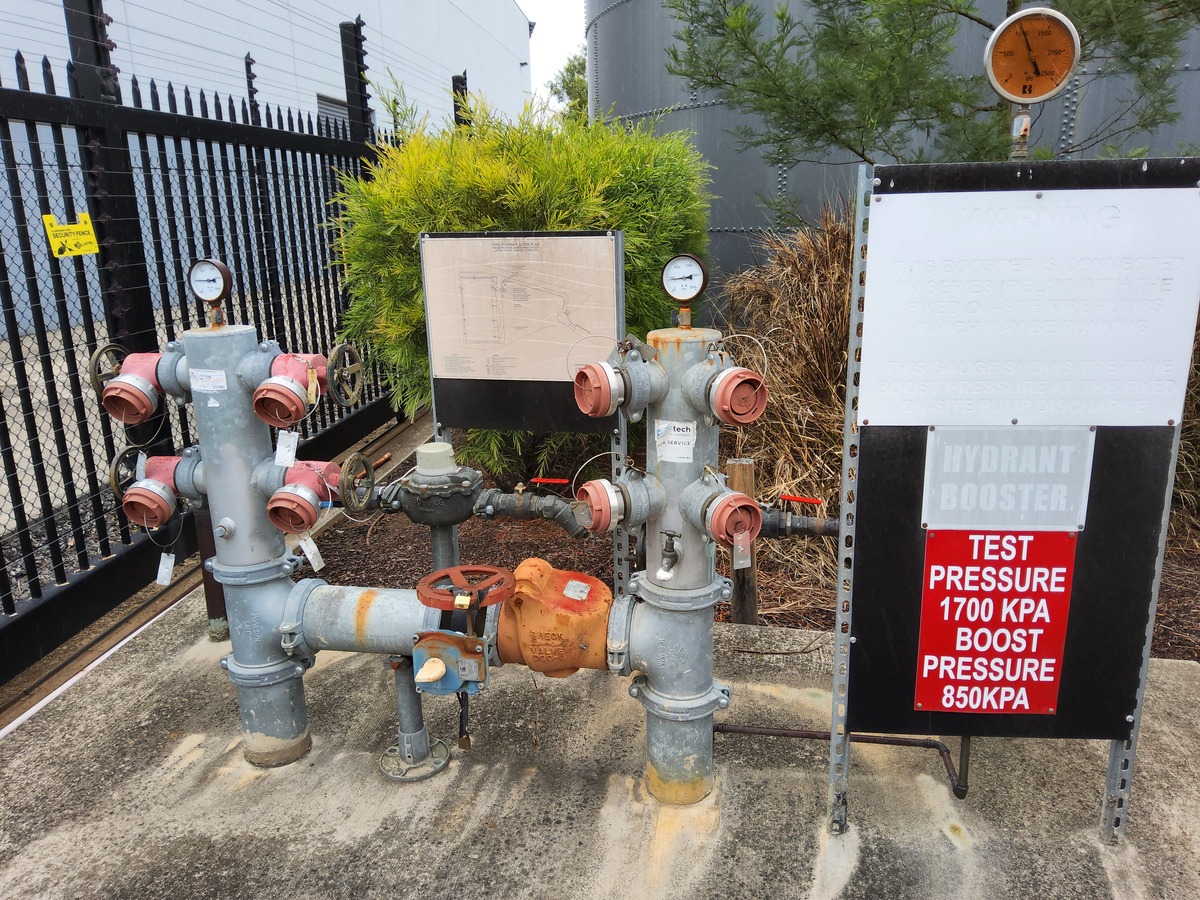
• Fire hydrant & hose reel systems — hydrant locations, hose reels, coverage radius, pump details, flow/pressure requirements.
• Emergency lighting & exit signage — locations, photometric compliance, egress paths.
• Fire extinguishers — type, size, and compliant placement.
• Egress & compartmentation — fire doors, fire-rated walls, paths of travel.
• As-installed accuracy — drawings must reflect actual building conditions and system logic, not generic templates (critical for your engineering QA standards).
These drawings allow certifiers to confirm that the proposed fit-out or upgrade meets essential safety requirements before issuing a CDC.
🏗️ Why They Matter for CDC Approval
• Regulatory compliance — ensures alignment with BCA and NSW fire safety regulations.
• Certifier confidence — reduces RFIs and speeds up approval.
• Construction accuracy — gives installers clear, engineered instructions.
• Audit readiness — supports future AFSS, fire orders, and compliance inspections.
• Life safety — ensures the building’s fire systems will perform as intended in an emergency.


